

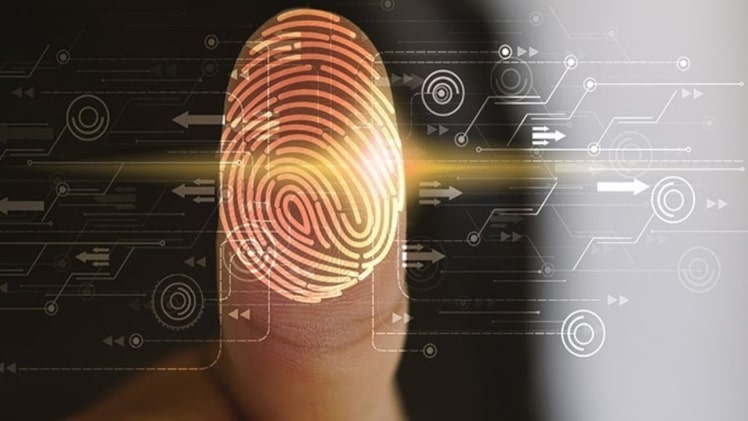
There are several advantages to digital ID systems. For one, they can unlock new opportunities for people, including those ifsptv who are disadvantaged or are not able to provide their real name. For another, such ID systems can protect readwrites people from identity theft. And if they work well, they can help improve the privacy and security of personal data.
However, digital IDs do have a few drawbacks. While they offer convenience, efficiency, and security, they may sportstimesdaily also increase the risk of exclusion and inequality. Some marginalised groups might not be able to access these IDs, and data privacy risks may result from substandard data governance systems.
Some countries are currently implementing digital ID, including the Philippines. Cambodia and Lao PDR have already piloted a digital foundational ID system. Meanwhile, Vietnam and Myanmar have made the development of a maangomenews digital identity system a national priority. The Philippines enacted a digital ID law in July 2018 and plans to start nationwide registration by 2019.
Governments can encourage the adoption of digital ID by working towards globally agreed standards and interoperability. They can also snappnews help shape developments by actively participating in international trade organizations. Governments should also monitor the digital-ID ecosystem to make sure the needs of citizens and businesses are met.
